
Short answer: buy hardside luggage if you want the best protection for what is inside, a shell that wipes clean, and a bag that shrugs off rain. Buy softside if you are a habitual over-packer who wants expansion zippers, outside pockets and the lightest possible empty weight. Neither is "better" in general. One is better for your trips.
Below is a straight comparison, the questions that decide it, and who each type is (and is not) for.
Hardside vs softside at a glance
| Factor | Hardside | Softside |
|---|---|---|
| Protection for fragile items | Better: the rigid shell spreads out impacts | Less: fabric gives under pressure |
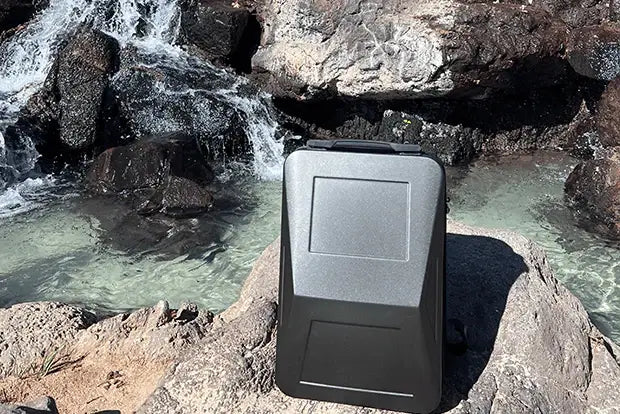
| Weather | Shell sheds rain | Depends on fabric and coating |
| Cleaning | Wipe with a damp cloth | Fabric can stain and needs more care |
| Packing style | Clamshell: two halves, very organized | One main compartment, easy top access |
| Over-packing | Little give once full | Fabric stretch plus expansion zippers |
| Outside pockets | Few or none | Usually several |
| Empty weight | Traditionally heavier | Usually lighter |
| Looks after years of use | Shows scuffs on glossy finishes | Hides wear; can fray or tear |
That summary lines up with luggage maker Travelpro's own hardside vs softside guide, which recommends hardside for fragile items and rough handling, and softside for over-packers and weight-conscious travelers.
Shell materials: not all hardside is equal
"Hardside" covers several plastics (and aluminum), and the material matters more than the label:
- Polycarbonate is the premium plastic choice. It flexes under impact instead of cracking, and resists scratches and dents better than cheaper shells. Travelpro's shell materials guide calls it tough and crack-resistant, but notes it costs more.
- ABS is lighter and cheaper, but more rigid. The same guide says it can be damaged by heat or rough handling and suits occasional travelers.
- Aluminum is the tank option. It is very protective and looks great, but it is heavy and dents instead of flexing back.
On the softside, ballistic nylon is the toughest common fabric. Polyester is lighter and cheaper, but less resistant to tears and abrasion.
Rule of thumb: if you buy hardside, make it polycarbonate. Most of the "hardside cracked on my first trip" stories involve cheap ABS shells.
Five questions that decide it
1. What are you carrying?
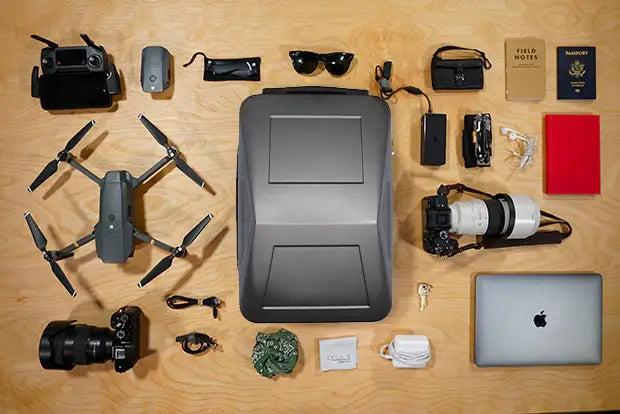
Laptops, camera gear, bottles of something nice, a suit you do not want crushed? Hardside. The shell takes the hit so your stuff does not. If it is mostly t-shirts and sneakers, softside will do fine.
2. Do you check it or carry it on?
Checked bags get stacked, thrown and rained on, which is where a hard shell earns its keep. For a carry-on, the shell still matters when the overhead bin is a free-for-all and a gate agent decides your bag is riding below today.
3. Are you an over-packer?
Be honest. If you come home with more than you left with, softside's expansion zipper is your friend. Hardside bags rely on compression straps inside, so they are tidy but not stretchy. Going hardside anyway? Here's how to pack a hardside suitcase so it closes easily.
4. Do you need quick-access pockets?
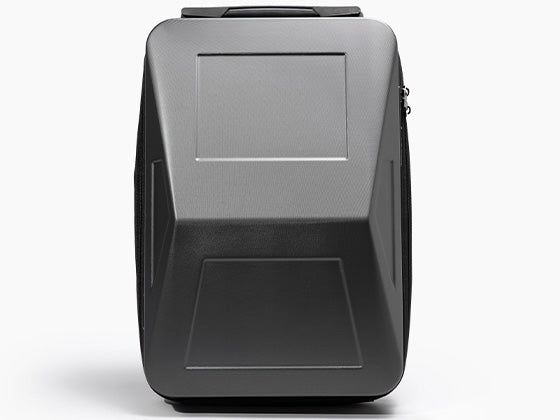
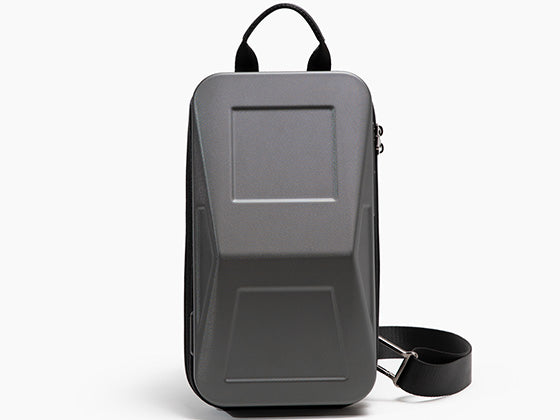
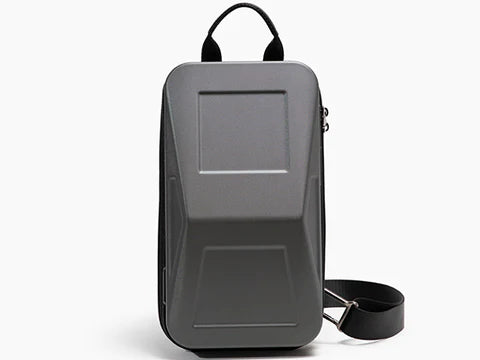
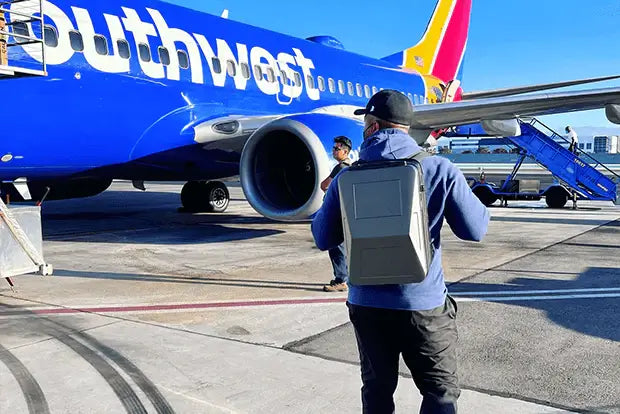
Softside wins for passports, chargers and snacks you want without opening the whole bag. With hardside, many people pair the suitcase with a backpack or sling for quick-grab items, which is how most frequent flyers end up traveling anyway.
5. Do looks matter to you?
Hardside has the cleaner, more architectural shape, and it is the only way to get a bag with real design character. Softside tends to look like... luggage.
Who hardside is for (and who it is not)
Great for: tech-heavy travelers, anyone checking a bag on connecting flights, rainy destinations, and people who like everything packed in neat halves.
Not ideal for: serial over-packers, strict weight-limit budget airlines where every ounce of empty weight counts, and anyone who needs lots of outside pockets.
Who softside is for (and who it is not)
Great for: road trips (it squeezes into odd trunk spaces), shopping trips where you need stretch on the way home, and light-as-possible packers.
Not ideal for: fragile cargo, wet climates with uncoated fabric, and anyone who hates a stained bag.
If you go hardside: what to look for
- Polycarbonate shell, not ABS.
- Spinner wheels. Eight wheels (four double spinners) roll smoother than four single wheels. Compare spinner vs two-wheel luggage if you're unsure.
- A TSA-approved lock, so security can open it without cutting anything.
- Interior compression straps and zip pockets to make up for the missing outside pockets.
- The right size for the job. Carry-on limits are strict. See can a 24-inch suitcase be a carry-on? before you buy.
Our take: Cybertruck-inspired hardside luggage

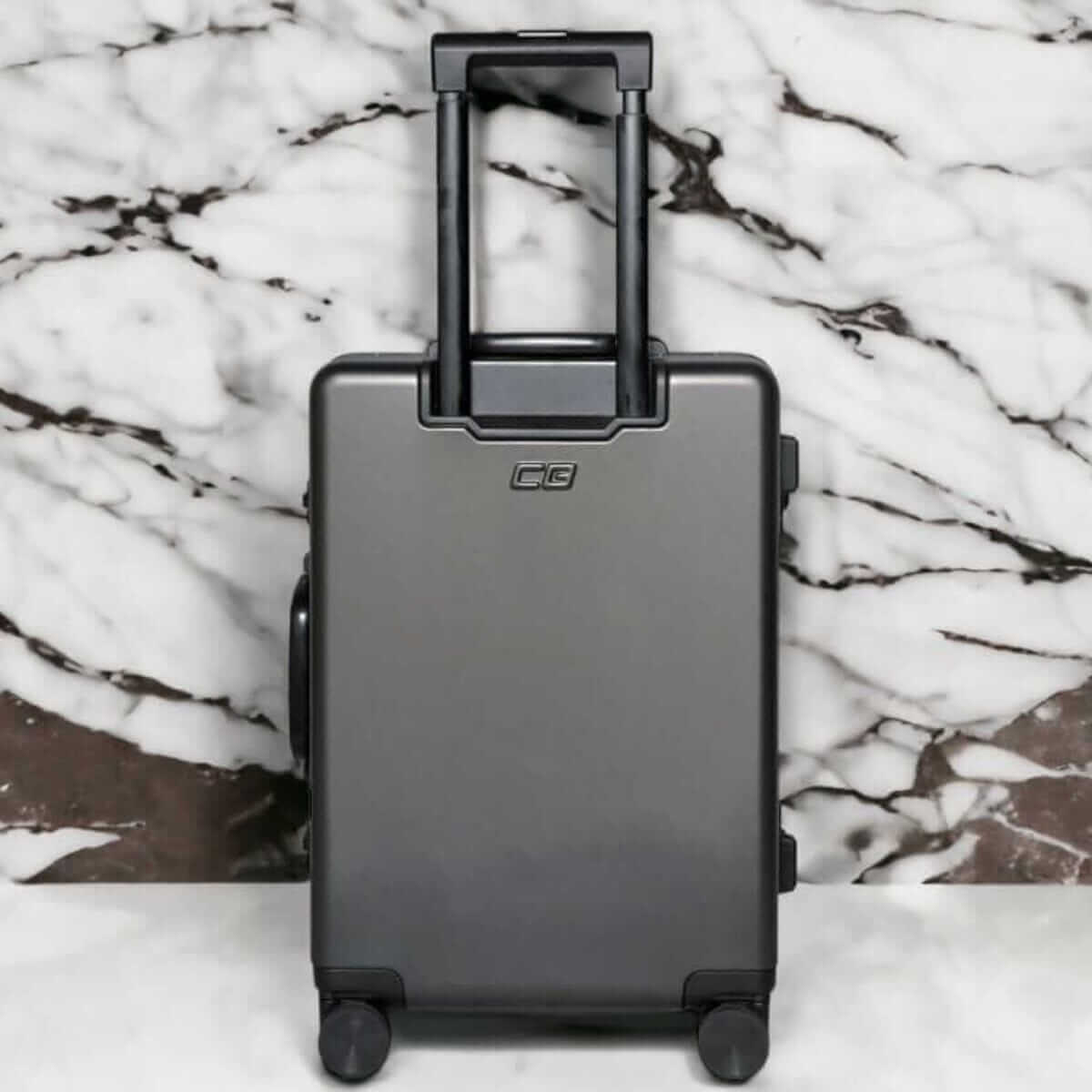
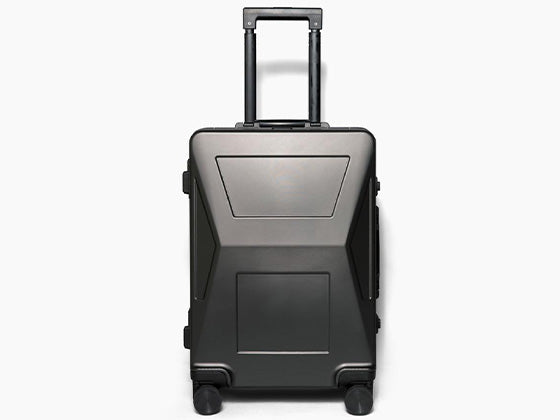
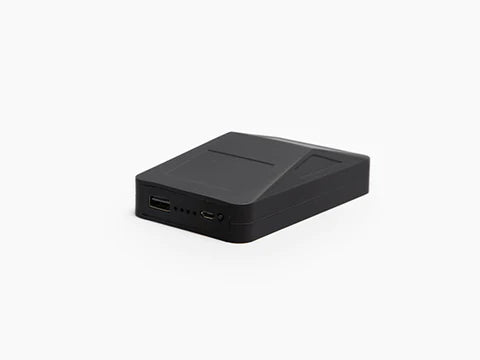
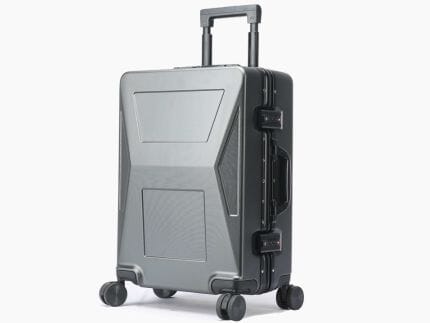
Full disclosure: we make hardside luggage, so we have a horse in this race. Our CYBER LUGGAGE: CARRY-ON and CYBER SUITCASE: CHECK-IN tick the hardside checklist above. Both have a 100% polycarbonate shell, a TSA-approved passcode lock, an 8-wheel 360-degree spinner system, an aluminum telescoping handle, and zippered pockets with adjustable compression straps inside. The carry-on also has a USB charging port. The angular, stainless-look design comes straight from the Cybertruck playbook.
What they are not: expandable, or covered in outside pockets. If those are deal-breakers, a good softside bag is the honest pick for you. Also note: the carry-on is built as a carry-on, so check the check-in model when you plan to check a bag.
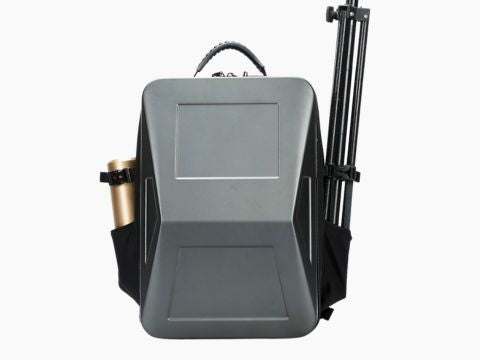
Want the whole set? Browse the luggage collection, which includes bundles with the backpack.
FAQ
Is hardside luggage more likely to crack?
Cheap ABS shells can crack under hard impacts. Polycarbonate flexes and is much more crack-resistant, which is why it is the material to look for.
Does hardside luggage scratch easily?
Glossy shells show scuffs. Textured or matte finishes hide them better. Either way, scuffs are cosmetic, while torn fabric on softside bags is not.
Which is lighter, hardside or softside?
Softside is usually lighter when empty, though modern polycarbonate has narrowed the gap. Check the empty weight on the spec sheet if you fly airlines with strict weight limits.
Is hardside or softside better for a carry-on?
Softside squeezes into tight bins a little more easily. Hardside protects laptops and gadgets better and will not bulge past size limits, because it cannot.
Can I bring a suitcase with a USB port on a plane?
Yes, but battery rules apply. See our guide to smart luggage rules in 2026.
Ready to pick? If protection, weather resistance and a design people ask about matter more to you than an expansion zipper, shop Cyberbackpack hardside luggage.